Why Remote Working Will Soon Lead to Long Term Travel Opportunities (Even After A Pandemic)
By Matthew Ward, Founder and Director6 November 2020
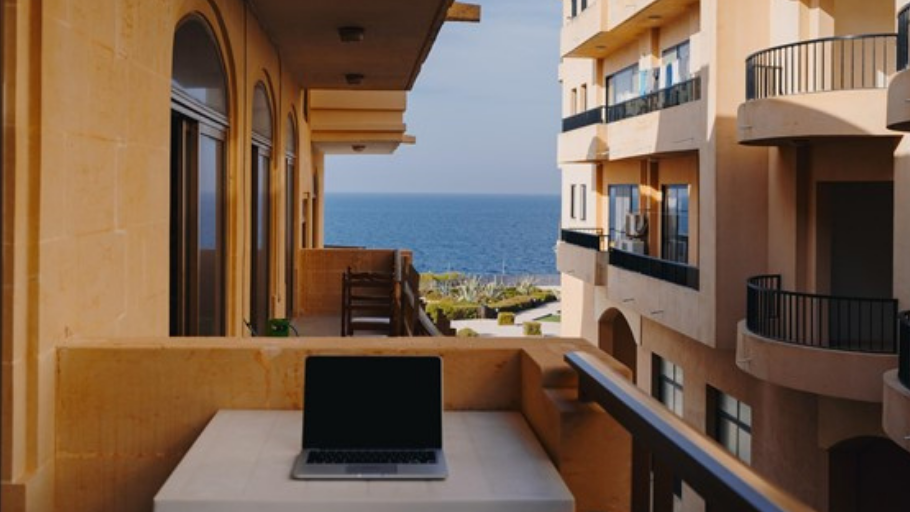
Freelancers and the self-employed have been quietly popularising remote, location-independent work since the late nineties. The pandemic simply forced the rest of the working world to catch up, and the resulting shift in how businesses think about remote work looks set to outlast the circumstances that created it.
Remote work was already growing before the pandemic, and the infrastructure, employer acceptance and cost savings it's built are set to make genuine long-term travel a realistic option for far more marketers than before.
A trend that predates the pandemic
Demand for remote work was already climbing well before 2020, driven by new graduates, new parents and workers simply tired of the office grind. Businesses had already started investing in the infrastructure to support it. The idea of working from anywhere with a decent internet connection dates back to the late nineties, and cheap flights and widespread connectivity turned that idea into something genuinely practical over the following two decades.
It saves real money, for everyone
Commuting costs, fuel, parking, food, work clothes, coffee, add up to a genuinely significant yearly sum for most office workers. Remote workers keep their salary while cutting most of that spend entirely. Employers benefit too, saving meaningfully per employee once office space, utilities and related overheads are factored out.
The destinations are genuinely appealing
Platforms built specifically for remote workers now let you filter destinations by cost, climate, safety and internet reliability, and places like Bali, Chiang Mai, Budapest, Mexico City, Lisbon and Rio de Janeiro consistently come out on top for exactly those reasons. A growing number of countries have also introduced dedicated remote work visas, offering clearer, longer-term legal routes to work from abroad than the old grey area of tourist visas ever did.
The real hurdles
Reliable internet used to be the single biggest obstacle, and while that's improved enormously, it still matters. Time zones remain a genuine challenge for anyone working with a UK-based team from somewhere many hours ahead or behind. Security is worth taking seriously too, a proper VPN is close to essential, and some roles with higher security requirements simply won't allow this kind of flexibility at all.
What this means for travel going forward
Global tourism will recover, it always does. What's different this time is how many more people now have genuine experience working outside a traditional office, and how many of them can carry a strong home-market salary to a country where it stretches significantly further. That combination is set to reshape long-term travel for a whole generation of marketers and other remote-capable professionals.
If a genuinely location-independent marketing career is what you're building toward, Lead Kinetics works with freelance specialists doing exactly that. For the practical side of making it work day to day, see our 9 tips on how to work remote and travel.
Related services
today to connect with trusted UK freelancers and build a marketing team that delivers.